
Abraham Lincoln in Menard County
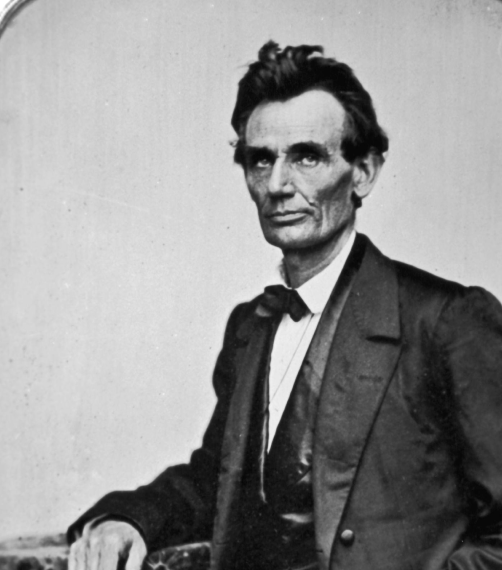
Abraham Lincoln’s years in and around Menard County were some of the most formative of his early life. Long before he became President of the United States, Lincoln lived, worked, studied, and served in the communities that shaped his character and public path.
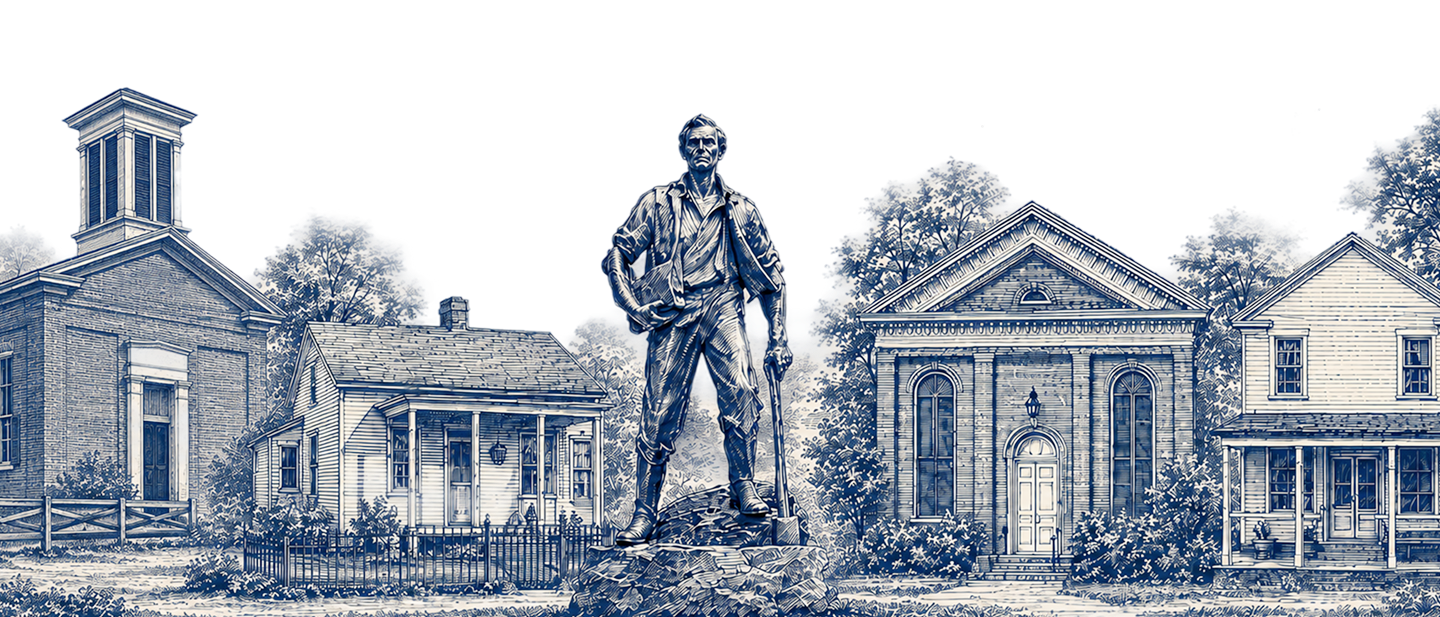
New Salem: Lincoln’s Early Home
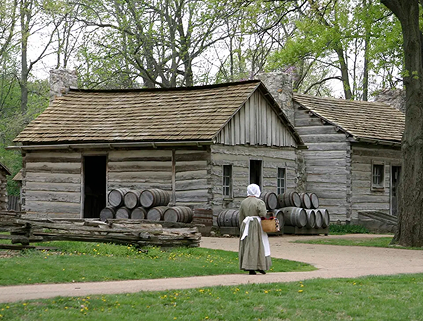
From 1831 to 1837, Abraham Lincoln lived in the village of New Salem, then part of the area that would become Menard County. During these years, he worked as a store clerk, postmaster, surveyor, and soldier, while teaching himself law and beginning to step into public life.
Life in New Salem exposed Lincoln to the daily realities of frontier communities: small businesses, local disputes, elections, and the responsibilities of local office.
These years helped shape Lincoln’s discipline, judgment, and understanding of people. The lessons he gained in New Salem became part of the foundation for his later work as a lawyer, legislator, and eventually President of the United States.
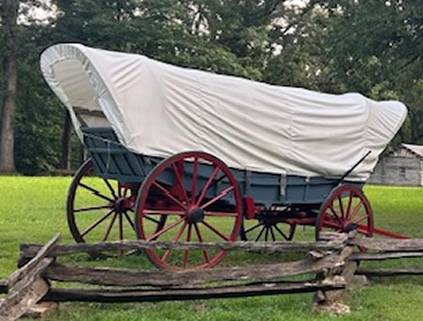
Petersburg and the County Seat
As New Salem declined, the nearby community of Petersburg grew in importance.
Lincoln played a direct role in this transition by helping survey the town site that would become the county seat of Menard County. Petersburg’s growth reflected a larger shift in the area as residents, businesses, and public institutions moved toward a new center of community life.
In the years that followed, Petersburg became a center of legal and civic life in the county. Lincoln’s professional work as a lawyer brought him back to the area, connecting him to local residents, cases, and institutions that formed part of his broader Illinois circuit.
Athens and the Long Nine
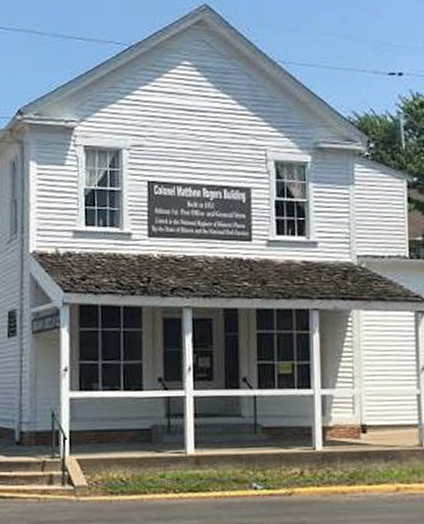
East of New Salem, the town of Athens holds its own chapter in Lincoln’s Illinois story. As postmaster of New Salem, Lincoln regularly passed through Athens to collect mail when flooding on the Sangamon River closed the usual route, and the town’s Rogers Building (built around 1832 to house a general store and post office) became a familiar stop.
The building earned its lasting name in August 1837, when Athens honored Lincoln and eight fellow Illinois legislators with a banquet in its upstairs meeting room. The nine men had just secured the vote to move the state capital from Vandalia to Springfield, and because each stood roughly six feet tall or more, Illinoisans came to know them as the “Long Nine.”
Today the building is preserved as the Abraham Lincoln Long Nine Museum, listed on the National Register of Historic Places and open to visitors who want to see where this chapter of Lincoln’s political rise, and Menard County’s own history, took shape.
PLACES CONNECTED TO LINCOLN
Visitors and residents can still explore locations that reflect Lincoln’s time in this part of Illinois, including:
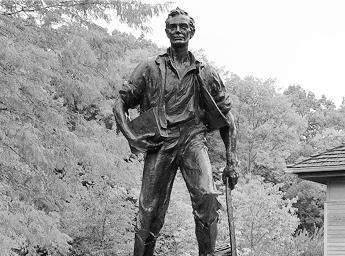
New Salem area
The site of the village where Lincoln lived as a young adult, worked several jobs, and began his path into public life.
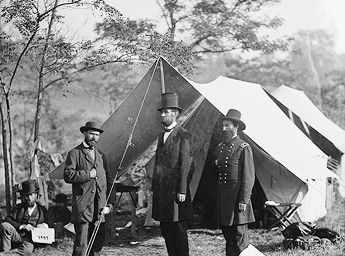
Petersburg
The county seat whose early development was closely tied to Lincoln’s surveying work and later legal practice.
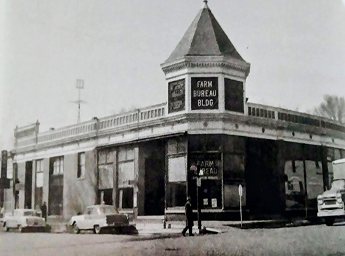
Local cemeteries and landmarks
Resting places and memorials connected to people who knew Lincoln and shared this landscape with him.
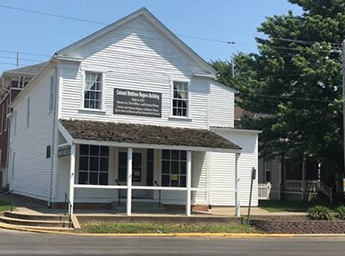
Long Nine Museum (Athens)
Housed in the historic Rogers Building, this museum preserves the story of the “Long Nine” legislators and Lincoln’s ties to Athens.
Why Lincoln Leads Our Story
Abraham Lincoln is the best-known figure linked to Menard County, and for many visitors, his story is the first introduction to our local history.
By beginning with his story, we invite people to discover the wider heritage of the county: its towns, its people, and the many other stories that deserve to be remembered.
Lincoln’s connection gives Menard County a powerful place in American history while also illuminating the heritage that made this place meaningful before, during, and long after his time here.
Get involved
Help preserve and share Menard County’s history.
Heritage preservation depends on people who care about keeping local stories, records, and places accessible for future generations.
Support our mission through participation, partnerships, and community involvement.